| Table of Contents |  |
|
Original Article
| ||||||
| Evaluation of waist and neck circumferences in Brazilian school children | ||||||
| Erika C. O. Naliato1, Vanessa T. Oliveira2, Luana R. M. Oliveira3, Claudia F. Mello4, Larissa B. Fernandes5, Valeria D. Alves6, Lucas A. S. Ferreira7, Susana V. Moreira8, Roberta L. M. Pandini9, Sidia S. S. Sena10, Luciana M. B. M. Souza11 | ||||||
|
1MD, PhD, Director of the Center of Studies Ricardo A T Castilho of the Medical Association of Teresópolis, Teresópolis/RJ, Brazil.
2MD, Resident in Pediatrics at the Santa Casa de Belo Horizonte, Belo Horizonte/MG, Brazil. 3MD, Resident in Surgery, Belo Horizonte/MG, Brazil. 4MD, General Practionner, Teresópolis Health Department, Teresópolis/RJ, Brazil. 5MD, General Practionner, Cabo Frio Health Department, Cabo Frio/RJ, Brazil. 6MD, General Practionner, São José Hospital, Teresópolis/RJ, Brazil. 7MD, Resident in Orthopedics, Costantino Ottaviano University Hospital, Teresópolis/RJ, Brazil. 8MD, General Practionner, CMS Vila do Céu, Rio de Janeiro/RJ, Brazil. 9MD, General Practionner, Rio de Janeiro/RJ, Brazil. 10Medical Student at Serra dos Órgãos University Center, Teresópolis/RJ, Brazil. 11MD, Ph.D, Assistant Professor, Department of Pediatrics, Rio de Janeiro State University, Rio de Janeiro/RJ, Brazil. | ||||||
| ||||||
|
[HTML Abstract]
[PDF Full Text]
[Print This Article]
[Similar article in Pumed] [Similar article in Google Scholar] |


| How to cite this article |
| Naliato ECO, Oliveira VT, Oliveira LRM, Mello CF, Fernandes LB, Alves VD, Ferreira LAS, Moreira SV, Pandini RLM, Sena SSS, Souza LMBM. Evaluation of waist and neck circumferences in Brazilian school children. Edorium J Endocrinol 2014;1:1–8. |
|
Abstract
|
|
Aims:
To assess waist and neck circumferences, and correlate them to other anthropometric data in children.
Methods: This cross-sectional study evaluated 522 children, regarding age, weight, height, waist, hip and neck circumferences, waist-to-hip ratio, and waist-to-height ratio. Results: Mean body weight and height were 22.8±12.5 kg and 111.6±26.3 cm, respectively. Body mass index corresponded to 17.86±8.03 kg/m2. Among the 419 children (with two or more than two years old) whose body mass index percentile was calculated, 37 were underweight, 277 had a healthy weight, 50 were overweight, and 55 were obese. Mean waist circumference achieved 55.4±10.9 cm and mean hip circumference corresponded to 61.1±13.9 cm, while mean neck circumference was 27.6±3.4 cm. Mean waist-to-hip ratio corresponded to 0.92±0.1, mean waist-to-height ratio achieved 0.5±0.1 and 44.1% of patients presented high waist-to-height ratio. No difference was detected when data of girls and boys was compared. Weight, height, body mass index, body mass index percentile, neck and hip circumferences, waist-to-hip ratio, and waist-to-height ratio were significantly correlated with both waist and neck circumferences Conclusion: The prevalence of overweight and obesity in Brazilian children is remarkable and similar to that obtained worldwide. This study is in accordance with those that considered waist and neck circumferences highly correlated with other anthropometric measures. We consider that these easily performable measures are helpful in the evaluation of visceral adipose tissue and should be part of the routine evaluation of Brazilian children and adolescents. | |
|
Keywords:
Cardiovascular risk, Neck circumference, Obesity, Waist circumference
| |
|
Introduction
| ||||||
|
Studies have been demonstrating that children and adolescents are gaining weight progressively over the decades with a consequent increase in the worldwide prevalence of overweight and obesity [1] [2] [3] [4] [5] [6] [7] [8] [9] [10] [11]. Similarly to what is observed in adults, being overweight or obese increases the risk of arterial hypertension and the metabolic syndrome in children and adolescents [5]. Furthermore, in children, body mass index (BMI) has been appointed as a predictive risk factor for increased carotid intima-media thickness, an early marker of atherosclerosis [12]. Besides the instruments that are classically used for the evaluation of body fat, such as body mass index (BMI), many studies have emphasized the value of other anthropometric measures, such as waist and neck circumferences. Waist circumference is a highly sensitive and specific measure of upper body fat in childhood and adolescence and can be clinically useful as a predictor of the metabolic syndrome in children [13] [14] [15]. Waist-to-height ratio has been associated with truncal and total fat in pre-pubertal children [15] . Furthermore, elevated blood pressure in children is associated with waist circumference and waist circumference is considered a predictor of cardiovascular risk in childhood [16] [17] [18]. Colisson et al. [19] demonstrated that some dietary choices, such as a higher intake of sweet-sweetened carbonate beverages, are correlated with higher waist circumference and BMI. On the other hand, Androutsos et al. [20] identified correlations between waist circumference and blood pressure, HDL, insulin-related indices (insulin, HOMA-IR, QUICKI), LDL, and triglycerides in children. Neck fat is significantly correlated with visceral adipose tissue and has been associated with cardiovascular disease risk factors even after the adjustment for visceral adipose tissue and BMI, in the Framingham Heart Study [21] [22]. Androutsos et al. [21] also correlated neck circumference with blood pressure, HDL, and insulin-related indices (insulin, HOMA-IR, QUICKI) and suggested that neck measurement is a useful screening tool of cardiovascular risk in children. Some authors have suggested that neck circumferences are even better associated with body composition and cardiovascular risk in children with overweight and obesity [12]. Considering the fact that the anthropometric evaluation is easy to perform and does not incur in additional costs, we assessed waist and neck circumferences, and correlated them to data such as weight, height, BMI, waist-to-hip ratio (WTH), and waist-to-height ratio (WtHt) in children and adolescents followed at the Pediatrics Clinics of the Infant and Maternal Center and primary Health Care units in Teresópolis/RJ. Additionally, BMI-related data was used to determine the prevalence of overweight and obesity in the studied sample. | ||||||
|
Materials and Methods
| ||||||
|
This cross-sectional study evaluated 522 children (282 girls and 240 boys) regarding age, weight, height, waist, hip and neck circumferences, WTH, and WtHt. Patients Measurements Standing height was measured without shoes with a stadiometer (Filizola, São Paulo, Brazil) and recorded to the nearest 0.5 cm. A non-elastic flexible measuring tape was used to measure waist, hip and neck circumferences. Measures were recorded to the nearest 0.1 cm. Waist circumference was measured at the mid-distance between the lower rib and the iliac crest. Neck circumference was measured just below the laryngeal prominence with the measuring tape applied perpendicular to the long axis of the neck. BMI was calculated by dividing total body weight (kg) to the squared standing height (m2). BMI percentile was calculated using the BMI percentile calculator for children and teenagers provided by the Centers for Disease Control and Prevention (CDC) website. WTH was calculated by dividing waist circumference (cm) to hip circumference (cm). WtHt ratio was calculated by dividing waist circumference (cm) to height (cm). Ethical Considerations Statistical Analysis The unpaired Student T-test was used to compare means between two groups and the Fisher's exact test analyzed categorical variables. The Kolmogorov-Smirnov test was used to analyze the residuals for normality. (When alpha = 0.05, data passes this normality test). Whenever data did not pass the normality test, the Mann-Whitney test was used to compare means between two groups. Relationships between two numeric variables were studied by linear regression and Pearson parametric correlation, except when data distribution was not normal and the Spearman nonparametric correlation was used. Nonparametric tests were also done in parallel with the parametric ones with confirmatory purposes. The statistical significance was set as 5%. The analysis were carried out using GraphPad Prism 5 for Windows (GraphPad Software, San Diego, California, USA), and Epi InfoTM 7 (Centers for Disease Control and Prevention, USA). | ||||||
|
Results | ||||||
|
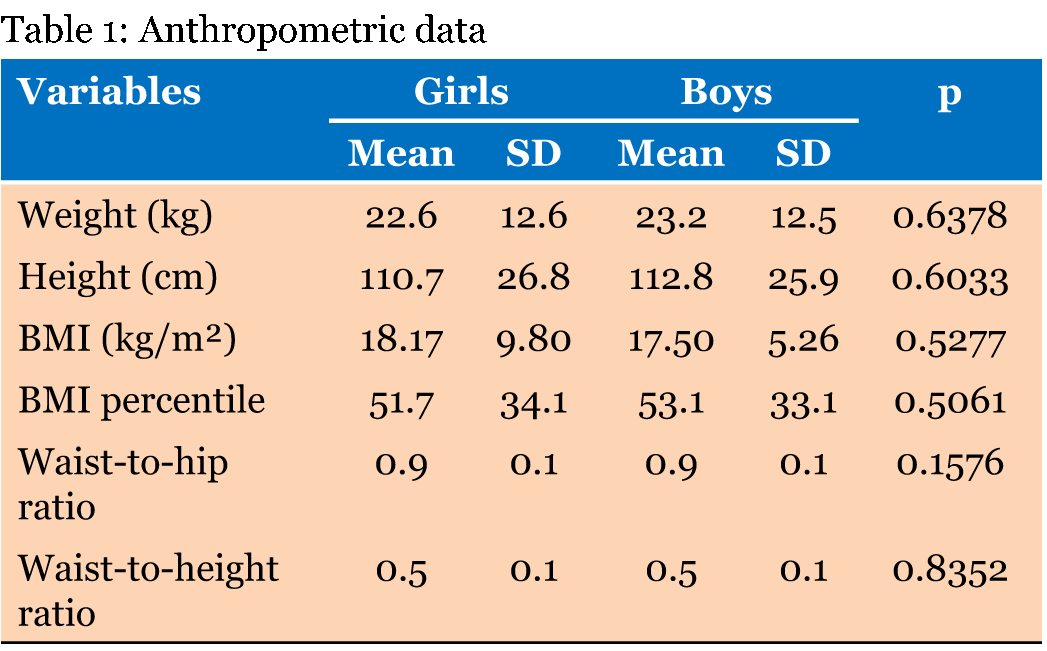
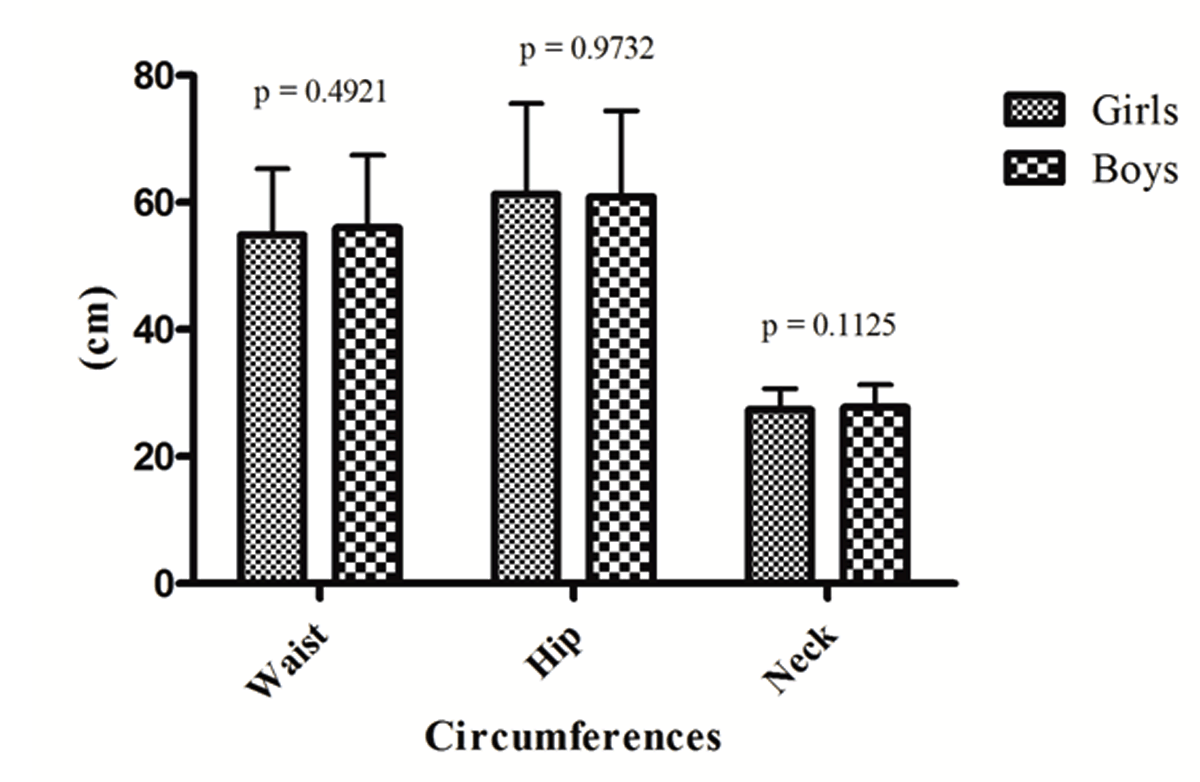
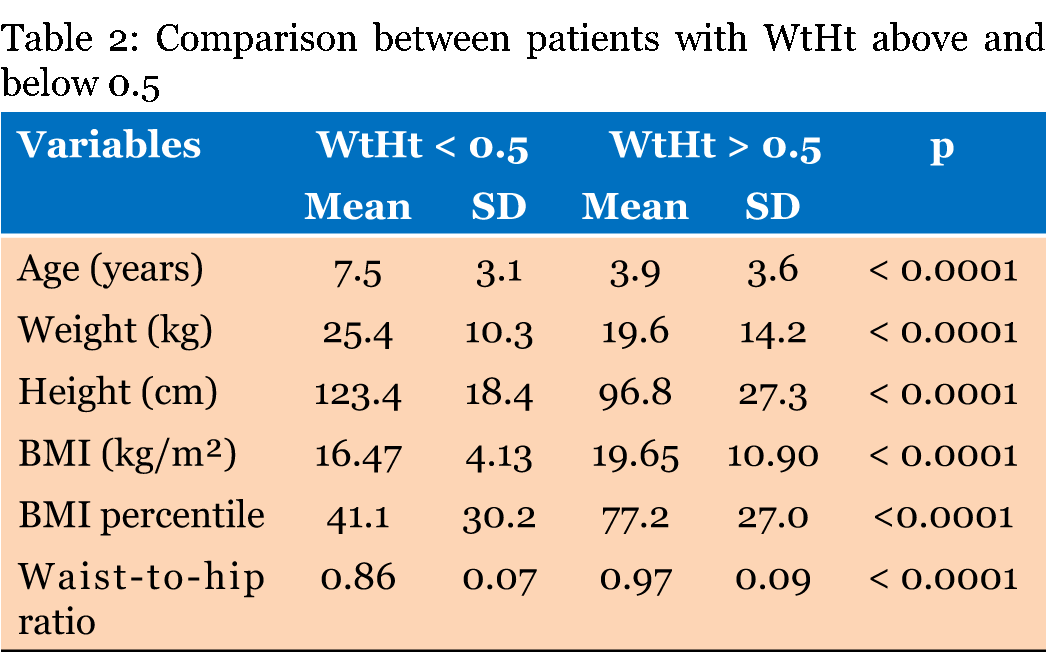
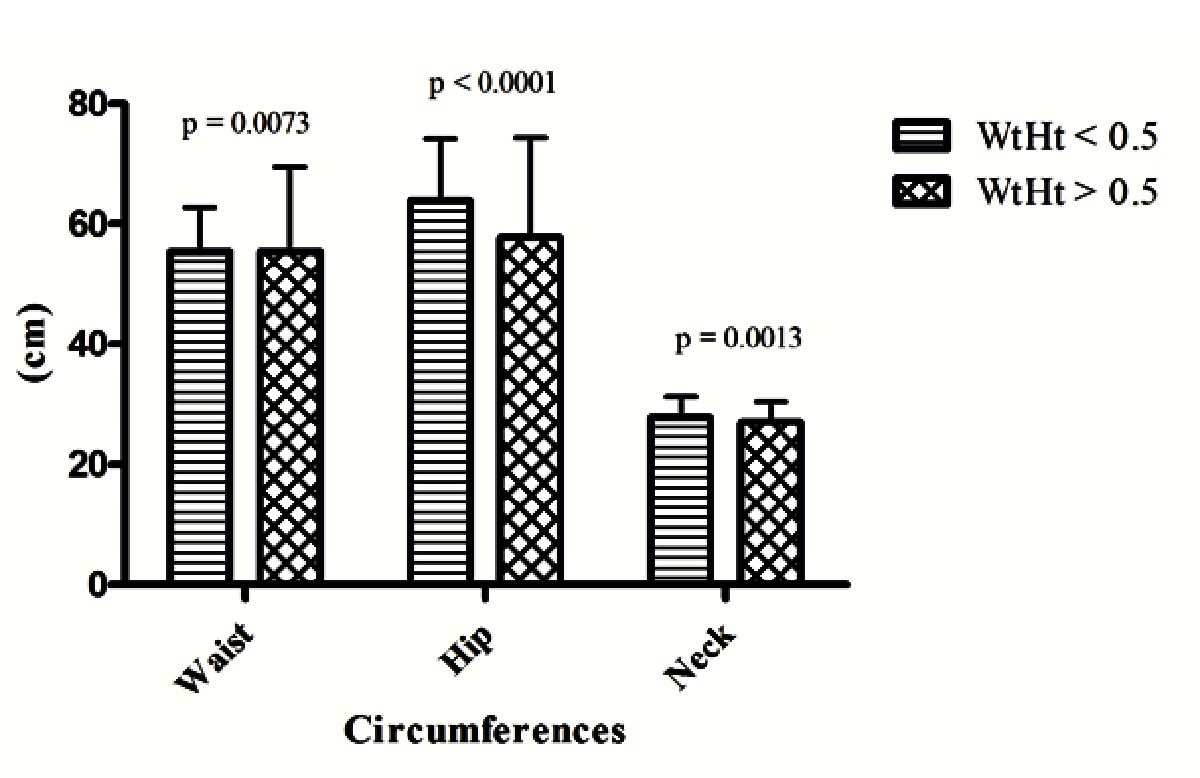
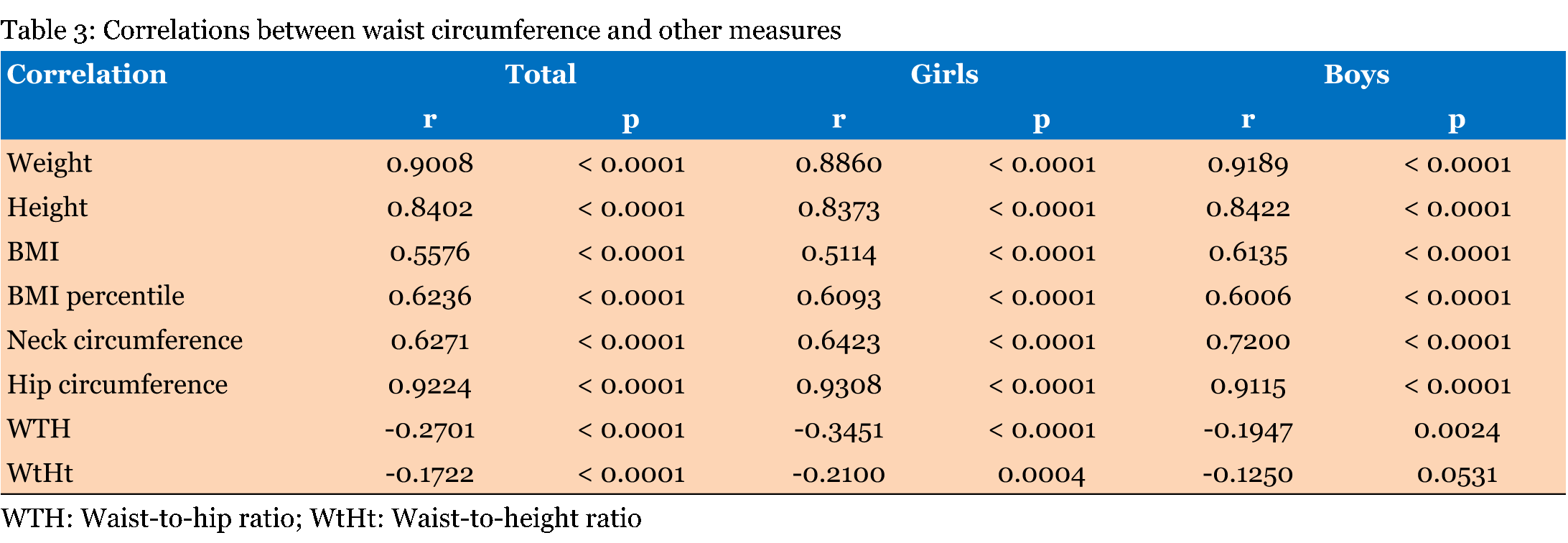
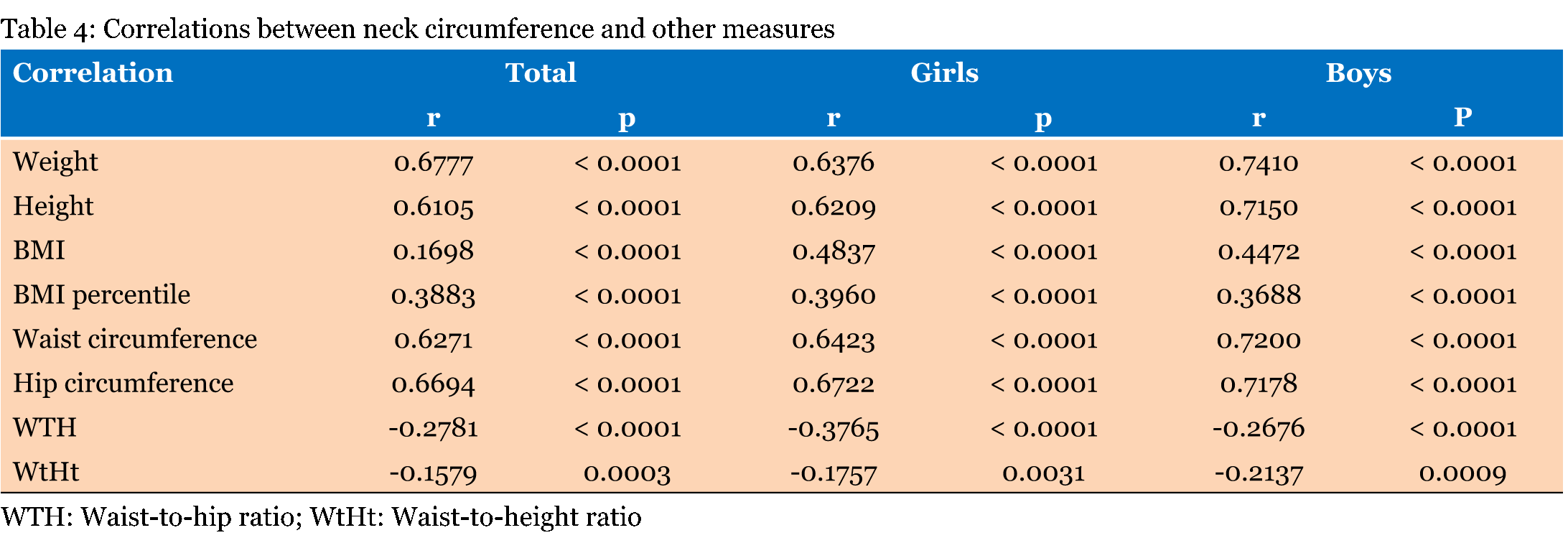
The mean age of the present group of patients corresponded to 5.9±3.8 years. There was no difference between girls and boys regarding this variable (p = 0.8266). (Table 1) gives the anthropometric data obtained in the present study. The mean body weight was 22.8±12.5 kg. When data from girls and boys were compared, no difference was noticed regarding this variable (p = 0.6378). The mean height was 111.6±26.3 cm. No difference was detected when mean height of girls and boys was compared (p = 0.6033). BMI corresponded to 17.86±8.03 kg/m2 and, similarly to what was obtained for the comparisons regarding weight and height, no difference between data from girls and boys was obtained (p = 0.5277). Mean BMI percentile was calculated for patients aged two years or more and achieved 52.5±33.7. Based on the BMI percentile, patients were classified as underweight (BMI below the 5th percentile), healthy weight (5th up to the 85th percentile), overweight (85th to less than 95th percentile), and obese (equal to or greater than the 95th). Among the 419 children whose BMI percentile was evaluated, 37 were underweight, 277 had a healthy weight, 50 were overweight, and 55 were obese. Figure 1 exhibits the comparisons between the circumferences of girls and boys. Mean waist circumference achieved 55.4 ± 10.9 cm and no statistically significant differences were detected when girls and boys were compared (54.9 ± 10.4 vs 56.0 ± 11.4, respectively, p = 0.4921). Mean hip circumference in this sample corresponded to 61.1±13.9 cm (61.3±14.3 vs 60.9±13.5, respectively, p = 0.9732), while mean neck circumference was 27.6±3.4 cm (27.4±3.3 vs 27.8±3.5, respectively, p = 0.1125). Mean WTH corresponded to 0.92 ± 0.1; girls and boys did not differ significantly in this aspect either (p = 0.1576 – (Table 1)). Finally, mean WtHt achieved 0.5±0.1 (p = 0.8352 – (Table 1)). A WtHt above 0.5 was considered to be high and 44.1% of patients were classified as this. The prevalence of high WtHt was 43.6% in girls and 44.7% in boys. Table 2 gives the comparison between the anthropometric data from patients with high and normal WtHt. The mean age of patients with high WtHt was lower than those with normal WtHt (p < 0.0001). Mean body weight and height of patients with high WtHt were lower (p < 0.0001). On the other hand, mean BMI was higher in this group (p < 0.0001). Figure 2 exhibits the comparisons between the circumferences of patients with normal and high WtHt. Mean waist circumference was higher in those with WtHt above 0.5 (55.4±14.1 vs 55.4±7.3 cm, p = 0.0073), while hip and neck circumferences were lower (hip: 57.8 ± 16.5 vs 63.8±10.3, p < 0.0001, and neck: 27.1±3.4 vs 27.9±3.4 cm, p = 0.0013). WTH was higher in those with high WtHt (p < 0.0001). (Table 3) gives the correlations between waist circumference and other anthropometric measures. Weight, height, BMI, BMI percentile, neck and hip circumferences, WTH, and WtHt were significantly correlated with waist circumference. The only exception was the correlation between waist circumference and WtHt in boys for which the p-value approached statistical significance. This study also investigated the correlations between neck circumference and other anthropometric measures, which are summarized in (Table 4). Weight, height, BMI, BMI percentile, waist and hip circumferences, WTH, and WtHt were significantly correlated with neck circumference. | ||||||
| ||||||
| ||||||
| ||||||
| ||||||
| ||||||
|
| ||||||
| ||||||
|
Discussion
| ||||||
|
This study used simple and inexpensive anthropometric measures for estimation of body fat. Girls and boys had similar results. Almost 45% of the patients had a high WtHt. Weight, height, BMI, BMI percentile, hip circumference, WTH, and WtHt were significantly correlated with waist and neck circumferences. To the best of our knowledge, the present study is the first to be published with specific data from a Brazilian pediatric cohort. Based on BMI percentile, 25% of the present sample of Brazilian children were overweight (11.9%) or obese (13.1%). Our data is similar to those obtained in studies from South Africa [3]. Moreover, the prevalence of obesity was similar to that obtained in North American and Greek children and the prevalence of overweight approximated that of Chinese and Turkish children [5] [6] [8] [9]. Compared to studies developed in Denmark, Tanzania, and Norway, the prevalence of overweight and obesity were higher in the present study [4] [10] [23]. However, the prevalence was lower than that obtained in Spain, Canada, and Azores Islands [1] [2] [7] [11]. The establishment of percentiles and/or the use of tables are necessary for the study and classification of BMI in children, which might result in some difficulties for routine evaluation of BMI. This is one of the reasons for the application of simpler anthropometric measures, such as waist and neck circumferences, in the evaluation of body fat and prevalence of overweight and obesity. As previously mentioned, due to its high sensitivity and predictive value for cardio-metabolic risk estimation, waist circumference is gaining importance for the evaluation of body fat in children [13] [14] [15] [16] [17] [18]. Our data shows that, in this sample of Brazilian children, waist circumference was significantly correlated with the other anthropometric measures. In addition, the measures of waist circumference can be used in order to calculate WTH and WtHt. While WTH exhibits a weak correlation to visceral fat, WtHt seems to be important for cardiovascular risk estimation [24]. Almost 45% of the present sample had a high WtHt. Although the use of BMI and waist circumference in order to assess cardio-metabolic risk depends on the use of sex and age-specific percentile tables, WtHt is easier to obtain, does not involve tables and can be used to diagnose visceral obesity, even in normal-weight individuals [24] [25] [26]. Kuba et al. [27] suggested that WtHt is as sensitive as BMI screening for metabolic risk factors in 6 to 10 years old children. These authors determined a cut-off value of 0.47 as sensitive for screening insulin-resistance, which approximates to the value used in the present study to definite a high WtHt. Similarly to the studies on waist circumference and cardiovascular risk, neck circumference has been linked to visceral fat and cardio-metabolic disturbances [14] [21][22] The present data are in accordance with those of Lou et al. [28] regarding the significance of correlations between neck circumference and BMI and waist circumference. This study was limited for not evaluating metabolic patterns, such as glucose, insulin, insulin resistance indexes, and lipid profile, concomitantly to the anthropometric measures. Unfortunately, the Pediatrics Clinics of the Infant and Maternal Center and Primary Health Care units, which are part of the public health system in the city of Teresópolis, have budget limitations that did not allowed the inclusion these exams in the study protocol. Androutsos et al. [20] were successful in correlating both waist and neck circumference with blood pressure, LDL, HDL, triglycerides, and insulin-related indices (insulin, HOMA-IR, QUICKI) in children. Furthermore, Vallianou et al. [29] found similar results in adults, suggesting neck circumference to be a powerful indicator of atherogenic dyslipidemia above and beyond central obesity indicators. These data were corroborated by larger sample studies [22] [30]. Patients included in this study were not evaluated regarding thyroid function. Obese children may present a number of thyroid function and ultrasound alterations, despite the presence of normal or even elevated peripheral thyroid hormone levels. In addition, these alterations usually revert to normal after weight loss or lifestyle modifications [31] [32]. Considering these data, a further study with the present sample would benefit from the inclusion of a metabolic profile and thyroid function evaluation. Based on the present data, waist and neck circumferences should be part of the regular evaluation protocol of the Brazilian pediatric population. | ||||||
|
Conclusion
| ||||||
|
Our data suggest that the prevalence of overweight and obesity in Brazilian children is remarkable and similar to that obtained worldwide. Additionally, our study is in accordance with others performed in distinct populations that considered waist and neck circumferences highly correlated with other anthropometric measures. We consider that these easily performable measures are helpful in the evaluation of visceral adipose tissue and should be part of the routine evaluation of Brazilian children and adolescents. | ||||||
|
References
| ||||||
| ||||||

|
[HTML Abstract]
[PDF Full Text]
|
|
Author Contributions:
Erika C. O. Naliato – Substantial contributions to conception and design, Acquisition of data, Analysis and interpretation of data, Drafting the article, Revising it critically for important intellectual content, Final approval of the version to be published Vanessa T. Oliveira – Analysis and interpretation of data, Revising it critically for important intellectual content, Final approval of the version to be published Luana R. M. Oliveira – Analysis and interpretation of data, Revising it critically for important intellectual content, Final approval of the version to be published Claudia F. Mello – Analysis and interpretation of data, Revising it critically for important intellectual content, Final approval of the version to be published Larissa B. Fernandes – Analysis and interpretation of data, Revising it critically for important intellectual content, Final approval of the version to be published Valeria D. Alves – Analysis and interpretation of data, Revising it critically for important intellectual content, Final approval of the version to be published Lucas A. S. Ferreira – Analysis and interpretation of data, Revising it critically for important intellectual content, Final approval of the version to be published Susana V. Moreira – Analysis and interpretation of data, Revising it critically for important intellectual content, Final approval of the version to be published Roberta L. M. Pandini – Analysis and interpretation of data, Revising it critically for important intellectual content, Final approval of the version to be published Sidia S. S. Sena – Analysis and interpretation of data, Revising it critically for important intellectual content, Final approval of the version to be published Luciana M. B. M Souza – Analysis and interpretation of data, Revising it critically for important intellectual content, Final approval of the version to be published |
|
Guarantor of submission
The corresponding author is the guarantor of submission. |
|
Source of support
None |
|
Conflict of interest
Authors declare no conflict of interest. |
|
Copyright
© 2014 Erika C. O. Naliato et al. This article is distributed under the terms of Creative Commons Attribution License which permits unrestricted use, distribution and reproduction in any medium provided the original author(s) and original publisher are properly credited. Please see the copyright policy on the journal website for more information. |
|
|
|
About The Authors
| |||
| |||
| |||