Introduction
|
|
The success of digital replantation is highly dependent on the patency of the repaired vessels after microvascular anastomosis. The replantation of severed digit has become a reliable procedure in patients, with success rates reported to exceed 90%. Venous insufficiency remains the most common complication following replantation with reported incidence of 7–32% [1]
. Thrombi occur during the first 24 hours and are usually the result of platelet aggregation at the anastomotic site. Forty-two percent of venous thrombi occur after the first 24 hours and are usually caused by fibrin clotting. The pharmacologic agents used to prevent this complication are aspirin, heparin, low molecular weight heparin, dextran, dipyridamole and chlorpromazine.
Most agree that the single most important factor in preventing arterial or venous thrombosis is excellent microsurgical technique. Anticoagulants are useful adjuvant therapy. Previous reports showed that the use heparin in replantation significantly reduced the failure rates [2]. However, heparin therapy may cause thrombocytopenia and lead to arterial or venous thrombosis. This is described as heparin induced thrombocytopenia (HIT) and may lead to limb and life-threatening thrombosis [3]. Another example of anticoagulant therapy related complication is with dextran. This agent is used to improve the microcirculation after certain surgical procedures. Several reports of acute renal failure occurred following dextran usage in healthy persons are present [4]. When digital replantation is performed, it is debatable what method of anticoagulation should be used to minimize thrombosis of the microvascular anastomosis in the replanted digit? Specific therapies and protocols vary widely between individual surgeons and no data currently exist to support one method over the other. Literature lacks data for replanted digit when antithrombotic therapy is not used due to any medical reason.
|
Case Report
|
|
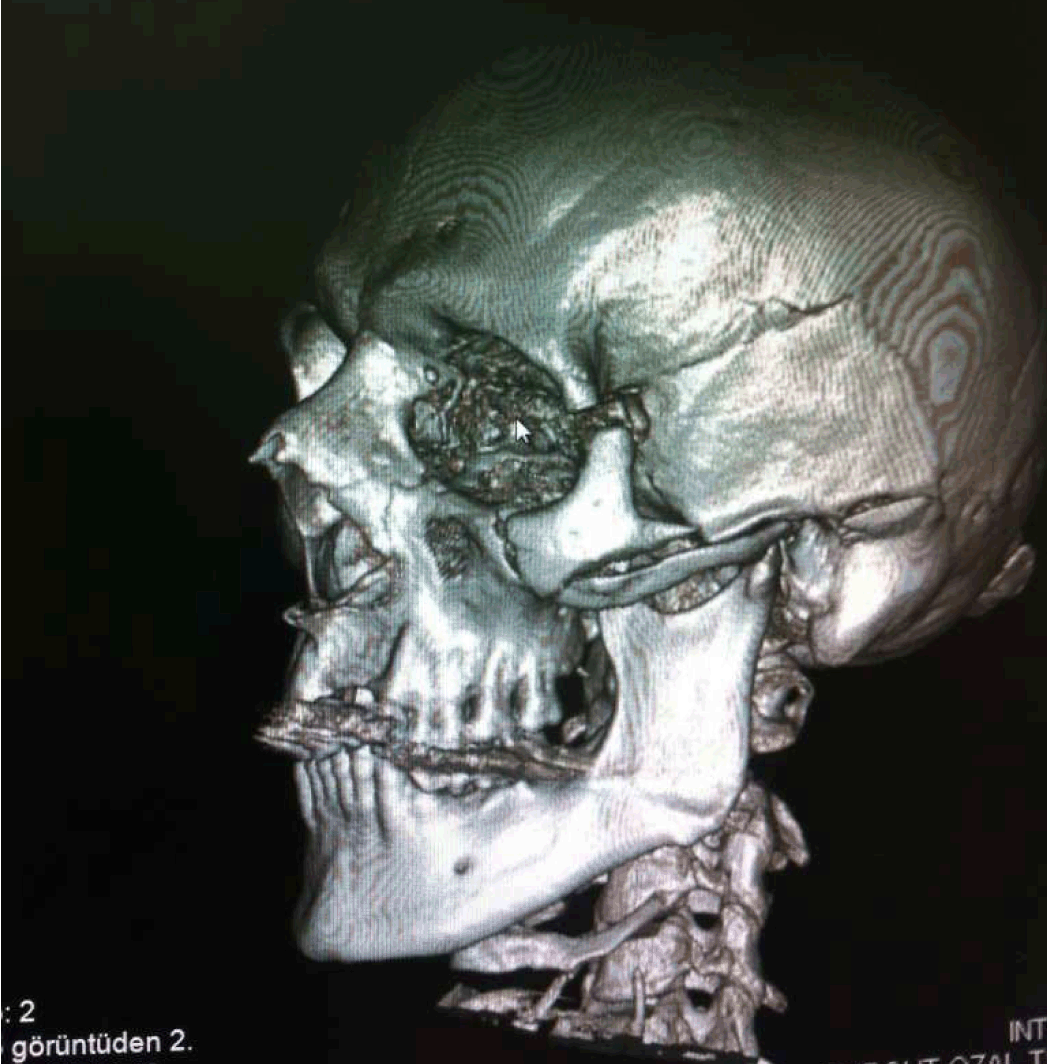
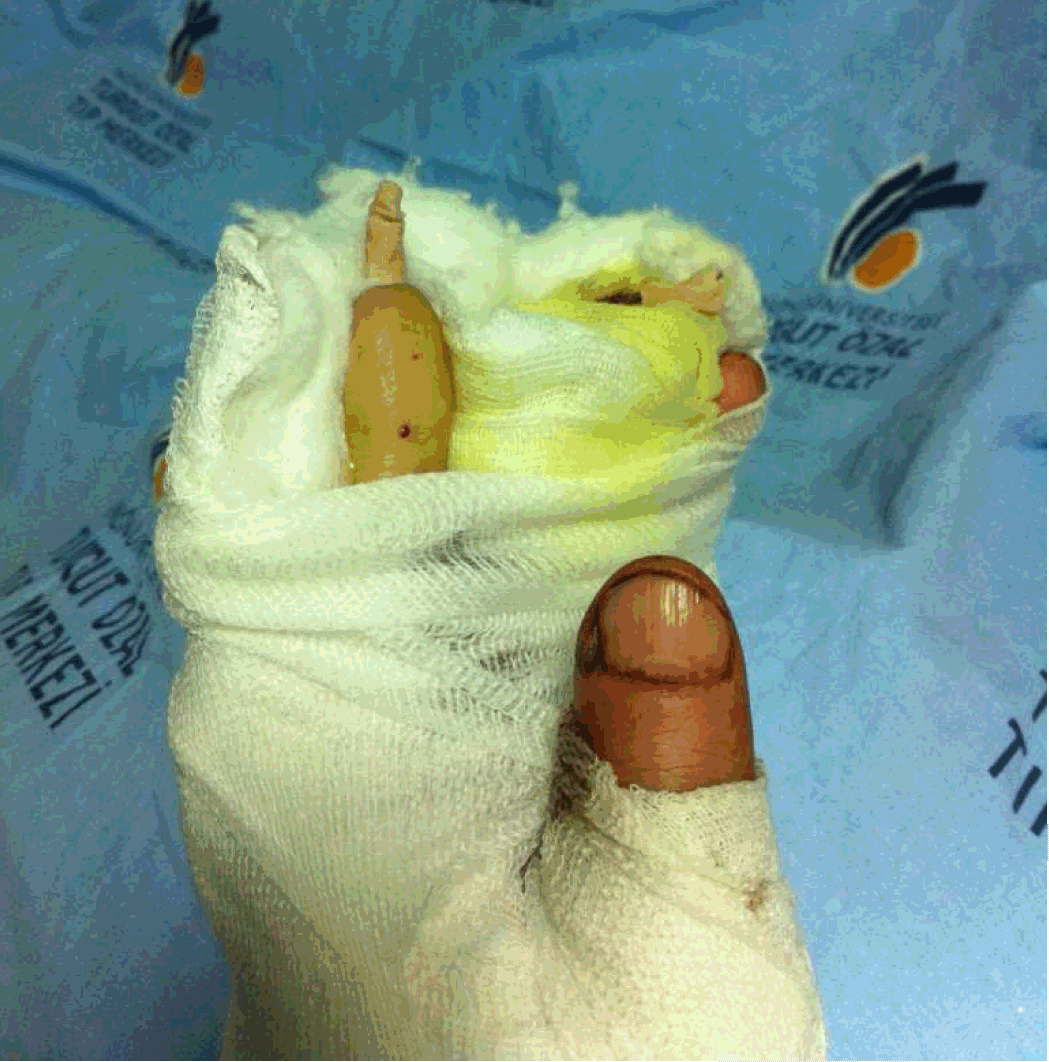
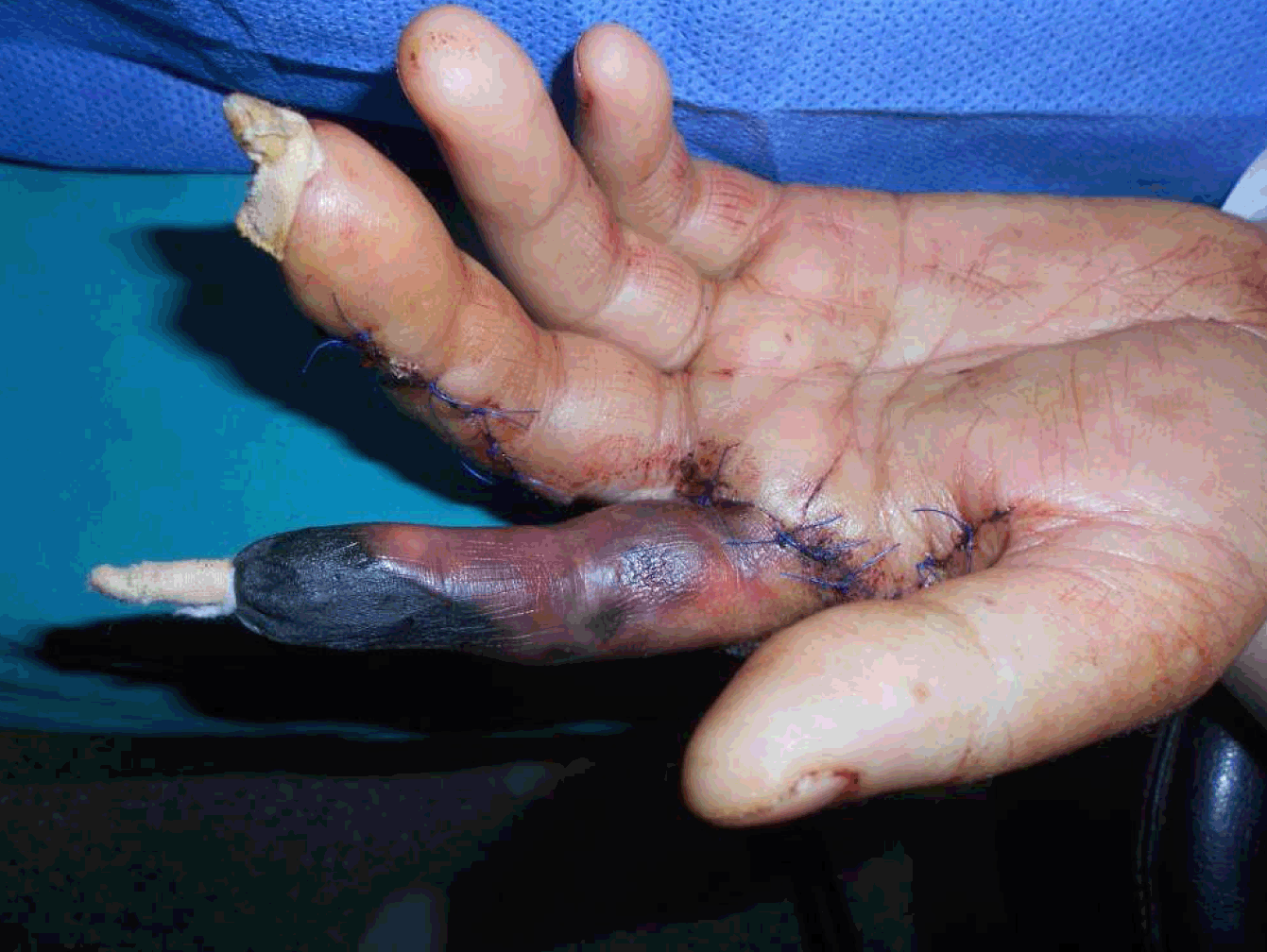
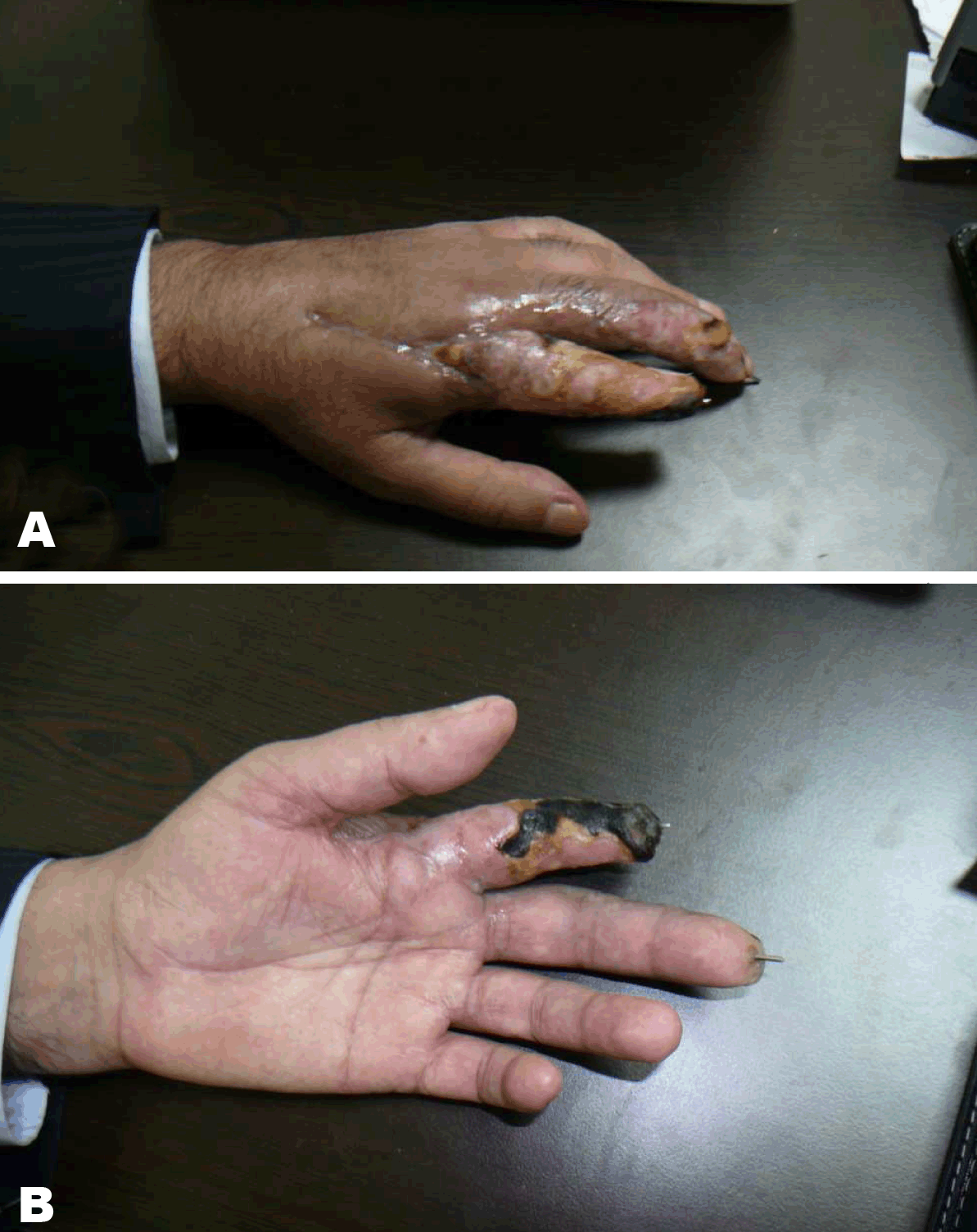
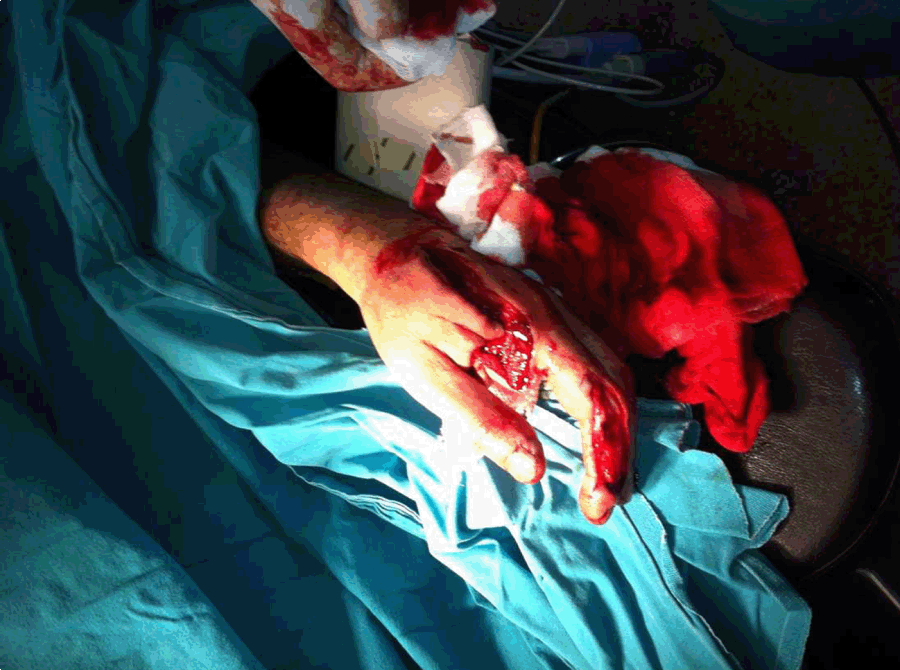
Herein, we report a case in which anticoagulant treatment was contraindicated due to associated cranial trauma. Finger amputation and pneumocephaly coexisted in a 52-year-old male following to an assault with a sharp axe. He presented with left index finger amputation at the metacarpal joint level (Figure 1) and multiple linear wounds on his face and cranium. Computed tomography scan showed lateral orbital, zygomatic and occipital fractures with severe pneumocephaly (Figure 2). Additionally, he had sharp wound on his right upper extremity. The hemoglobin level of the patient was 7 g/dL at presentation and there were active blood loss on the examination in the emergency department. He was immediately taken for operation hemorhage control, finger replantation and left orbital lacaration repair with simultaneous management by as opthalmic and plastic surgery teams. His left finger as replanted with two arterial and vein anastomosis completed under microscopic control. Additionally, metacarpal fractures his right hand were fixated with Kirschner wires. A left orbital enucleation was also performed. The operation time was seven hours. Three unit blood transfusions was given. No anticoagulant treatment were given as the patient had pneumocephaly. The patient had sedative medical treatment including chlorpromazine during one week of intensive care. During intensive care treatment, he had no specific anticoagulant therapy except systemic antibiotics. We kept close observation for blood perfusion of the replanted digit. There was sluggish bleeding at distal areas of the finger (Figure 3). At the 10th postoperative day the pulpa seemed necrotic but the remaining areas of the finger were viable (Figure 4). The necrotic areas were debrided one week later (Figure 5A-B) and complete healing was obtained in the replant at first month postoperatively.
|
| Cursor on image to zoom/Click text to open image |
| |
Figure 1: Preoperative view of the hand.
|
|
|
|
|
|
|
|
|
|
|
|
|
|
Discussion
|
|
After this case, we searched literature for reports of anticoagulant treatment during or after replantation surgery. It was evident that anticoagulant therapy is not devoid of complications, but it is almost routine in modern microsurgical surgery. We observed some soft tissue necrosis at least partly due to lack antithrombotic therapy and resulting microcirculatuar disturbances within the replant. We speculate that if we had a chance to administer antithrombotics, the end result would have been more favorable. This case report shows what may happen if no anticoagulant is given after an excellent microsurgical technique employed in healthy adult. As of now no concensus exists on the ideal anticoagulant protocol for microsurgery. This viewpoint has also been stressed in the study by Nikolis et al. on i.v. heparin use in digital replantation and revascularization [5]
. In literature there are some reports showing failure of replantation due to extrinsic factors such as exposure to hot environment [6].
|
Conclusion
|
|
This report clearly shows partial failure of finger replantation without anticoagulant therapy resulting from intrinsic microvascular disturbances.
|
References
|
-
Levin LS, Cooper EO. Clinical use of anticoagulants following replantation surgery. J Hand Surg Am 2008 Oct;33(8):1437–9.
[CrossRef]
[Pubmed]

-
Renaud B, Langlais F, Colmar M, Thomazeau H. Digital reimplantation and revascularization, factors of preservation. 183 fingers. Ann Chir Main Memb Super 1991;10(5):385–98. [Article in French].
[Pubmed]
-
Deitcher SR, Carman TL. Heparin-induced thrombocytopenia: Natural history, diagnosis, and management. Vasc Med 2001;6(2):113–9.
[CrossRef]
[Pubmed]
-
Tsang RK, Mok JS, Poon YS, van Hasselt A. Acutr renal failure in a healthy young adult after dextran 40 infusion for external-ear reattachment surgery. Br J Plast Surg 2000 Dec;53(8):701–3.
[CrossRef]
[Pubmed]
-
Nikolis A, Tahiri Y, St-Supery V, et al. Intravenous heparin use in digital replantation and revascularization: The Quebec Provincial Replantation program experience. Microsurgery 2011 Sep;31(6):421–7.
[CrossRef]
[Pubmed]
-
Coban YK. Failure of replantation of middle forearm amputation exposed to hot environment. Microsurgery 2013;33(5):418–9.
[CrossRef]
[Pubmed]
|
[HTML Abstract]
[PDF Full Text]
|
|
Author Contributions
Yusuf K. Coban – Substantial contributions to conception and design, Acquisition of data, Analysis and interpretation of data, Drafting the article, Revising it critically for important intellectual content, Final approval of the version to be published
|
Guarantor of submission
The corresponding author is the guarantor of submission.
|
Source of support
None
|
Conflict of interest
Authors declare no conflict of interest.
|
Copyright
©
2014 Yusuf K. Coban. This article is distributed under the terms of Creative Commons Attribution License which permits unrestricted use, distribution and reproduction in any medium provided the original author(s) and original publisher are properly credited. Please see the copyright policy on the journal website for more information.
|
|